Permit Information · Frisco, TX
Water Heater Permit Info for Frisco, TX
Most water heater replacements in Frisco, TX require a permit — and most homeowners don't find out until it's already a problem. Frisco has a population of approximately 245,000 and a median age of 38.3, with a median household income around $150,000. It is one of the fastest-growing cities in the US, with population up roughly 450% since 2000 — meaning a high share of new construction and, correspondingly, a high volume of active permitting activity in general. That makes understanding the water heater permit process in Frisco especially relevant for local households. Here's what you need to know about permit requirements, the repair-vs-replace distinction, and how to make sure your installation is done right. For current fees, timelines, and department contacts, reach out to the City of Frisco's building department directly.

Short Answer: Yes, in Most Cases
A water heater permit in Frisco, TX is typically required for replacement — including standard like-for-like swaps, not just large or unusual projects. It's a normal step in the process, not a complicated one. But skipping it creates real problems later. For current requirements, fees, and processing times, contact the City of Frisco's building or permits department directly.
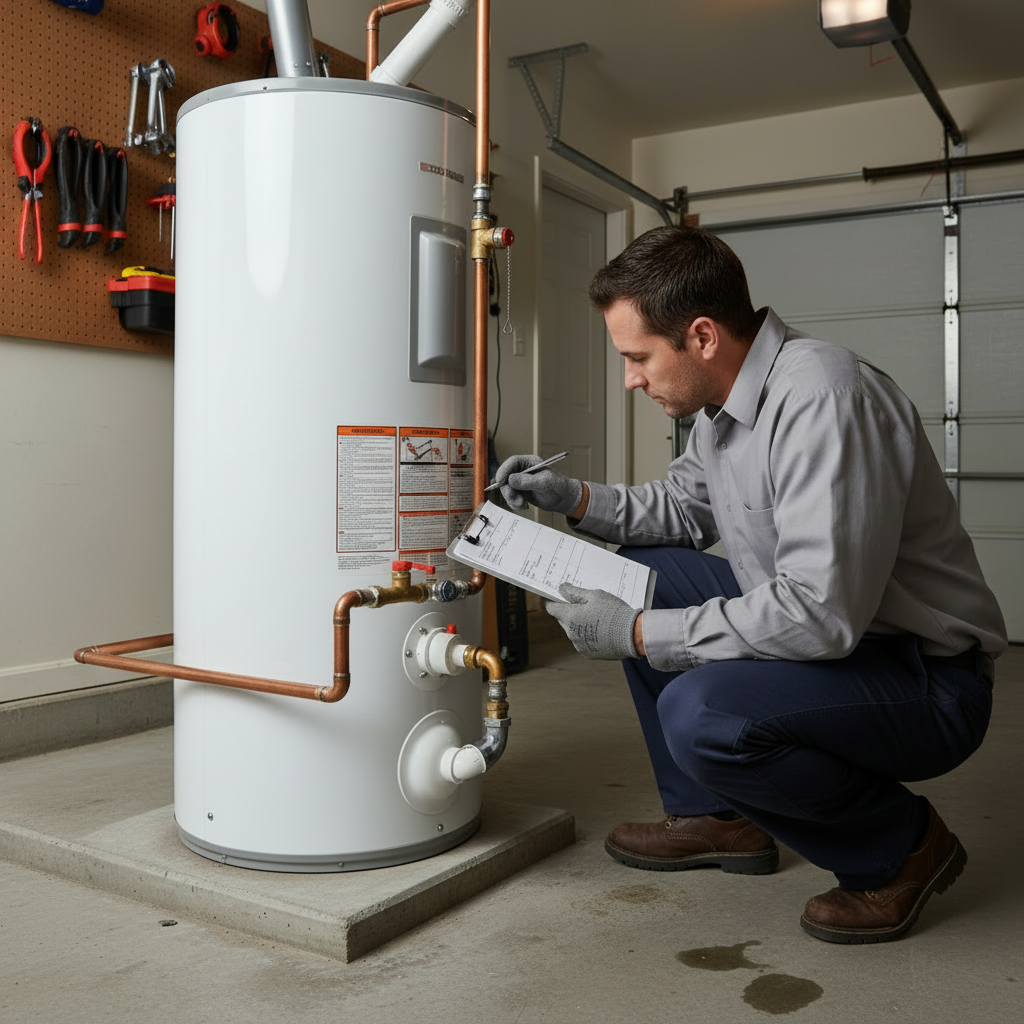
When Permits Apply
Which Water Heater Work Requires a Permit in Frisco, TX?
As a general rule, any time a water heater is being replaced — not just repaired — a permit is likely required in Frisco. This covers straightforward like-for-like tank replacements, upgrades to a larger unit, and conversions from tank to tankless.
Minor repairs that don't involve disconnecting and replacing the unit (such as swapping a heating element, thermostat, or valve) may not require a permit. If you're uncertain about your specific project, contact the City of Frisco's building or permits department for a direct answer.
- Standard tank-to-tank replacement: typically requires a permit
- Tank-to-tankless conversion: typically requires a permit
- Component repair only (element, thermostat): usually no permit needed
- New installation in a home without an existing unit: typically requires a permit
- When in doubt, contact the City of Frisco's building department to confirm
Why It Matters
What a Permit Actually Does for You as a Homeowner
Water heaters involve gas lines, electrical connections, and pressure safety systems. A permit means a city inspector verifies the work is safe and done right. Without it, there's no record the job was done correctly — and no protection if something goes wrong.
Safety verification
An inspector confirms the gas line, electrical connections, and safety valve were installed correctly — not just assumed to be.
Paper trail
The permit becomes part of your home's record. That matters for insurance claims, warranty disputes, and when you sell.
Home value protection
Unpermitted work discovered during a home inspection or sale can require costly remediation at your expense — even years later.
Insurance coverage
If something goes wrong with an unpermitted install, your homeowner's insurance may not cover it. A permit removes that risk.
Bottom line: The permit protects you — not the contractor. Some manufacturers also require a permitted install to honor the warranty. Skipping it can cost you that coverage.

Repair vs. Replacement
When a Permit Applies — and When It Doesn't
The permit requirement in Frisco, TX hinges on whether the water heater itself is being replaced or simply repaired. Grasping this distinction helps you know what to expect — and helps you evaluate whether a contractor is handling the process correctly.
A balanced approach means knowing when a repair is the right call (no permit, lower cost, targeted fix) versus when replacement is necessary (permit required, full unit swap). A contractor who recommends replacement for every problem — or skips the permit on every replacement — isn't giving you honest guidance.
- Replacement (tank-to-tank, tank-to-tankless, upsizing): permit required
- Component repair (heating element, thermostat, valve): usually no permit
- A failed component on a newer unit often means repair — no permit needed
- A failing unit past its service life means replacement — permit required
- A good contractor tells you which path fits your situation honestly
The Homeowner's Perspective
What You Actually Need to Do
Most homeowners don't pull the permit themselves — the contractor does it as part of the job. Your responsibility is making sure you hire someone who actually handles this step rather than skipping it.
If a contractor tells you permits aren't needed for a 'simple swap' — push back. That's the homeowner's risk they're skipping, not theirs. For current Frisco permit requirements, contact the City of Frisco's building or permits department directly.
- Ask your contractor directly whether a permit will be pulled
- The permit application goes through the City of Frisco's building department
- After installation, an inspector will typically verify the work
- The permit record becomes part of your home's building history
- Contact the city directly for current fees and processing timelines

Working With a Professional
What to Expect When You Work With a Permit-Aware Contractor
A contractor who understands Frisco's requirements will pull the permit as part of the job — not ask you to skip it. The city inspection happens before the job is closed out, verifying that the gas line, electrical connections, venting, and safety valve all meet code.
It costs a bit more than cutting corners. The difference is real protection when you sell, file a claim, or something goes wrong — and it keeps your manufacturer warranty intact.
Frisco, TX — Local Context
Water Heater Permit Guide for Frisco, TX Homeowners
Water heater replacement is one of the most common residential projects in Frisco — and one of the most commonly done without a permit. That's a problem, but it's an understandable one. Most homeowners don't realize a permit is required for what seems like a straightforward appliance swap, and contractors who skip the permit don't always volunteer that information.
Frisco is one of the fastest-growing cities in the US, with a population of approximately 245,000 — up roughly 450% since 2000. The median age is 38.3 and the median household income is around $150,000. That explosive growth means a high share of new construction and, correspondingly, a high volume of active permitting activity in general. For homeowners here, that makes understanding the water heater permit process in the City of Frisco's jurisdiction especially relevant — whether you're replacing a unit that's reached the end of its service life or upgrading from a tank to a tankless system in a newer home. The permit is what ensures the new installation is safe, code-compliant, and protected for the long term.
Why Does Frisco Require a Permit for Water Heater Replacement?
Water heaters aren't like most home appliances. They involve gas supply lines, electrical connections, pressure safety systems, and venting — all of which carry real safety risks when installed incorrectly. A permit triggers a city inspection that verifies the installation meets local code.
The permit requirement isn't about bureaucracy — it's about ensuring a licensed inspector confirms the work was done correctly before the installation is closed out. This protects the homeowner, the occupants of the home, and anyone who buys the property later. For the specific code requirements that apply in Frisco, contact the City of Frisco's building or permits department directly.
- Gas connections: improperly sealed gas fittings are a combustion and explosion risk
- Pressure relief valve: must be correctly installed and routed to prevent scalding and tank failure
- Electrical connections: improper wiring on electric units creates fire and shock risk
- Venting: improper venting on gas units can cause carbon monoxide buildup inside the home
- Code compliance: sizing, clearances, and expansion tank requirements are verified by inspection
What Happens If You Replace a Water Heater Without a Permit in Frisco?
Unpermitted water heater replacements in Frisco carry real risks that often don't surface until years later — typically during a home sale, an insurance claim, or a refinance.
During a home sale, a buyer's inspector may flag unpermitted work. The seller — you — may be required to retroactively permit and potentially redo the installation to current code before the sale can close. That means paying for the work twice, plus any upgrades required by current code that weren't part of the original installation.
For insurance claims, a homeowner's policy may deny coverage for damage caused by an unpermitted installation. If a water heater installed without a permit fails and causes water damage, you may be left covering the full cost of remediation.
Which Water Heater Work Requires a Permit in Frisco?
The general rule: any time a water heater is being removed and replaced, a permit is required. This includes standard tank-to-tank swaps, conversions from tank to tankless, upsizing to a larger unit, and new installations in homes that previously had no water heater in that location.
Repairs that don't involve removing and replacing the unit — such as swapping a heating element, thermostat, or pressure relief valve — typically don't require a permit. This is the core repair-vs-replace distinction: a targeted component fix usually doesn't trigger the permit, while a full unit replacement does. If you're unsure whether your specific project requires a permit, contact the City of Frisco's building or permits department for a direct answer.
How the Frisco Water Heater Permit Process Works
In most residential water heater replacements, the contractor pulls the permit as part of the job. The contractor submits the permit application to the City of Frisco's building or permits department, and schedules the work. After installation, a city inspector reviews the work. For current processing timelines, contact the city directly — we don't publish timelines we haven't independently verified.
As a homeowner, your primary job is confirming that your contractor actually handles the permit rather than skipping it. Ask directly: 'Will you pull the permit for this job?' If the answer is anything other than 'yes,' that's a red flag. A contractor who skips the permit is shifting the risk onto you.
What to Ask Your Contractor Before a Water Heater Replacement
Before agreeing to any water heater replacement in Frisco, ask these questions. The answers will tell you whether you're working with someone who handles the process properly.
- Will you pull the permit through the City of Frisco for this job?
- Is the permit fee included in your quote, or is it separate?
- When will the inspection take place, and do I need to be home?
- What code requirements apply to this specific installation?
- What happens if the inspection requires changes — is that included in your scope?
New Construction, Permitting Activity, and Replacement in Frisco
Frisco's rapid growth and high share of new construction mean a correspondingly high volume of active permitting activity in general — and water heater replacements are part of that picture. Whether a homeowner is swapping out an original builder-installed unit that's reached the end of its service life, upgrading to a tankless system, or replacing a unit that failed prematurely, the permit process is what ensures the work meets code and is properly recorded.
Regular maintenance, including flushing the tank to remove sediment, can extend a unit's service life and delay the need for replacement. But when replacement does become necessary, doing it with a proper permit through the City of Frisco is what protects the investment — and the household.
Permit Questions from Frisco, TX Homeowners
After You Reach Out
What Happens When You Call
- 1
Confirm whether your project requires a permit
Replacement typically requires a permit; component-level repairs usually don't. If unsure, contact the City of Frisco's building department directly.
- 2
Hire a contractor who handles the permit
Ask upfront: 'Will you pull the permit for this job?' A clear yes means the permit process is built into the scope — not skipped.
- 3
The permit application is submitted to the City of Frisco
Your contractor submits the application through the city's building or permits department. Contact the city directly for current fees and processing times.
- 4
Installation is completed and inspected
After the water heater is installed, a city inspector verifies the work meets code — covering gas lines, electrical, venting, and safety valves.
- 5
The permit becomes part of your home's record
The permit record stays with the property — protecting you at resale, during insurance claims, and for warranty coverage.
Ready to get help?
Call for the fastest response — we're available 24/7. Send a message if it's not urgent — we'll follow up promptly.
Call 24/7 Now — +1 469 824 3854Mon–Fri: 7:00 AM – 7:00 PM · Sat: 8:00 AM – 5:00 PM
Questions About Your Frisco Water Heater Permit?
Call 24/7 or live chat. We can tell you what the permit process looks like for your specific project — and handle it as part of the job.
Ask About Your Frisco Water Heater Permit
Describe your situation and we'll follow up promptly during business hours. For urgent issues, call +1 469 824 3854 — it's faster.