Maintenance & Flush · Allen, TX
Water Heater Maintenance in Allen, TX
Water heater maintenance in Allen, TX is preventive care that extends the life of your existing unit — and in a city with established housing stock and a mixed range of unit ages, that matters. A sediment flush removes the mineral layer that accumulates at the bottom of the tank, an anode rod inspection catches corrosion before it starts, and tankless descaling keeps heat exchangers running efficiently. Regular maintenance is the difference between a unit that fails early and one that serves its full lifespan. Call 24/7 or live chat now.
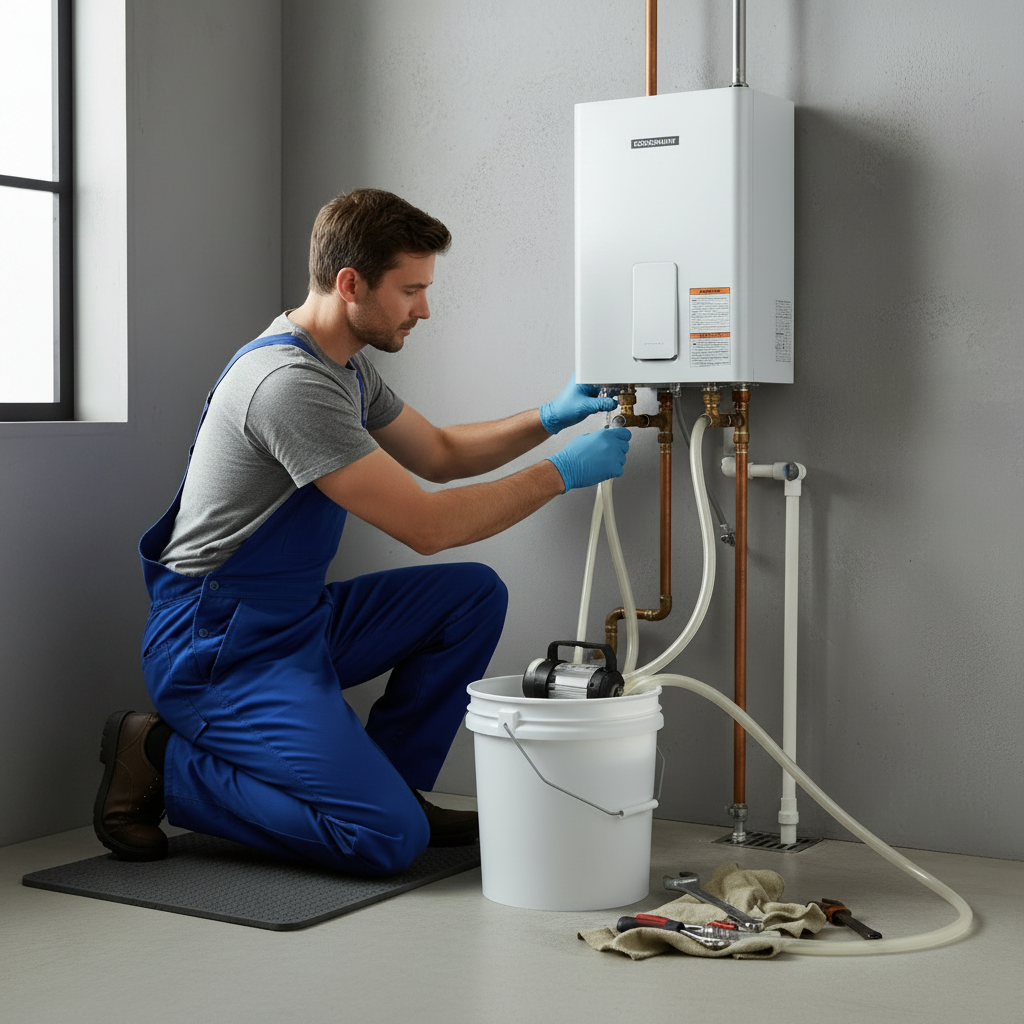
Preventive Maintenance
Why Water Heater Maintenance Matters — and What It Actually Involves
Water heater maintenance is the single most overlooked factor in how long a unit lasts. The municipal water supply in this area is moderately hard, meaning dissolved calcium and magnesium minerals are present in the water. Every time the tank heats water, some of those minerals precipitate out and settle to the bottom. Over months and years, that sediment builds into a layer that reduces efficiency, accelerates corrosion, and shortens the unit's service life.
Preventive maintenance addresses this directly. A sediment flush removes the loose mineral layer before it hardens into a crust that can't be drained. An anode rod inspection checks the sacrificial component that prevents the steel tank from corroding — once it's depleted, the tank itself starts corroding instead. For tankless units, annual descaling dissolves mineral scale from the heat exchanger before it restricts flow or triggers error codes. These are simple, defined procedures that add years to a unit's life.
The value of maintenance is especially relevant in Allen, where established housing stock means a mixed range of unit ages. Some units are relatively new and benefit from starting maintenance early. Others are approaching the age where anode rod depletion becomes critical — and catching that before the tank starts corroding is the whole point. Maintenance is preventive, not reactive: it's about preventing failures before they happen, not fixing them after.
Sediment Flush — The Core of Tank Maintenance
In a gas unit, sediment sits directly above the burner, insulating the heat source from the water and forcing the unit to work harder to heat the same volume. In an electric unit, sediment accumulates around the lower heating element, trapping heat against the element surface and accelerating element failure. In both cases, the unit becomes less efficient and ages faster. The rumbling or popping sounds many homeowners notice during the heating cycle are caused by superheated steam bubbles escaping through the sediment layer.
A sediment flush drains several gallons from the tank's drain valve, carrying loose mineral sediment out with the water. The process takes 20–40 minutes and doesn't require disconnecting the unit. For tanks with heavier buildup, a more complete drain-and-refill may be needed. Annual flushing removes the sediment before it hardens into a thick crust that can't be drained — which is what happens when maintenance is skipped for multiple years.
Anode Rod Inspection — Corrosion Prevention
The anode rod is a sacrificial metal rod inside the tank that corrodes instead of the steel tank walls. It's designed to deplete over time — that's its job. But once it's fully depleted, typically every 3–5 years in moderately hard water, the tank has no protection and begins corroding instead. That corrosion is what leads to tank body leaks and the need for full replacement.
Checking the anode rod during maintenance is the single most effective way to extend a tank water heater's life. If the rod is more than 50% depleted, we recommend replacement — and we can often do it on the same visit. This is a low-cost, high-impact intervention. A replaced anode rod continues protecting the tank, while a depleted rod means the tank is actively corroding. For units in the 6–10 year range, anode rod inspection is especially important.
Tankless Descaling — Not Optional in Hard Water
Tankless water heaters don't store water, so they don't accumulate sediment the way tank units do — but they still scale. As water passes through the heat exchanger, mineral deposits form on the internal surfaces, restricting flow and reducing heat transfer efficiency. Over 2–3 years without descaling, the heat exchanger becomes restricted, efficiency drops, flow rates decrease, and error codes start appearing.
Annual descaling involves running a descaling solution through the heat exchanger to dissolve the mineral scale. This restores flow, efficiency, and prevents premature heat exchanger failure — which is the most expensive component to replace on a tankless unit. For tankless owners, this is the single most important maintenance task. Skip it and the unit's lifespan and performance both suffer.

Maintenance vs. Replacement
When Maintenance Extends a Unit's Life — and When Replacement Is the Better Call
Maintenance extends tank life — often by several years — but it can't reverse corrosion that's already occurred. The question is whether the unit is still in a condition where maintenance will help, or whether it's past the point where preventive care makes a difference.
Allen's established housing stock means units of varying ages are in service. For a unit that's 5–8 years old with an intact anode rod and no corrosion, maintenance is a clear investment in extending its service life. For a unit that's 12+ years old with a depleted anode rod and signs of tank corrosion, maintenance may be a stopgap rather than a long-term solution. We assess the unit's condition honestly and tell you which situation you're in.
- Anode rod still intact → maintenance extends tank life meaningfully
- Anode rod depleted but tank sound → replace the rod, continue maintenance
- Tank showing corrosion signs → maintenance is a stopgap, replacement is coming
- Tankless with no descaling history → descaling restores performance
- Multiple component failures on an older unit → replacement may be the stronger value
- We assess the whole unit before recommending maintenance or replacement
Allen, TX — Local Context
Water Heater Maintenance in Allen, TX — Local Factors and Why It Matters Here
Allen is an established suburban community in Collin County with a population of approximately 102,800 and a median age of 38.4. It is one of the larger of the five nearby cities we serve after Frisco. The housing stock here is well-established, with a mixed range of unit ages across the city — meaning some water heaters are relatively new installations while others are approaching or past the age where preventive maintenance becomes critical.
That age mix is exactly why maintenance is so relevant in Allen. For newer units, starting annual maintenance early means sediment never builds to problematic levels and the anode rod is replaced before the tank starts corroding. For older units, maintenance can extend service life — but only if the tank is still in reasonable condition. We assess each unit individually and give you an honest recommendation about whether maintenance is a worthwhile investment or whether the unit is approaching the replacement window.
Collin County Hard Water and Maintenance
Collin County water is moderately hard, which means dissolved minerals are present and will accumulate in any water heater over time. In tank units, the minerals settle to the bottom and form sediment. In tankless units, they scale the heat exchanger. The harder the water, the faster the accumulation — and the more important annual maintenance becomes.
This is a regional factor that affects every water heater in Allen equally. The units that last longest in this water are the ones that get flushed regularly and have their anode rods checked and replaced before depletion. The units that fail early are almost always the ones where maintenance was deferred for years. Preventive maintenance is the direct response to hard water's effect on water heaters — it addresses the cause rather than waiting for the symptom.
How Maintenance Works in Allen
When you call, we capture your unit type, age, and maintenance history, then schedule a visit at a time that works for you. A local licensed plumber performs the work.
At the visit, we drain the tank to remove sediment, inspect the anode rod (and recommend replacement if it's depleted), test the T&P relief valve, and visually inspect the tank exterior for signs of corrosion or stress. For tankless units, we run a descaling flush through the heat exchanger. We report everything we find — sediment level, anode rod status, and any early warning signs — with specific recommendations. If the anode rod needs replacing, we can often do it on the same visit. No pressure, no upsell — just the information you need to get the most out of your unit.
Starting Maintenance at the Right Time
The best time to start maintenance is before problems appear — not after. A unit that's been flushed annually since installation will outlast one that's been ignored for a decade. But even if maintenance hasn't been done before, starting now is still worthwhile. We assess the current condition of the tank and anode rod, tell you what we find, and recommend whether maintenance is a good investment or whether the unit is already in the replacement window.
For Allen homeowners with units in the 5–10 year range, this is the critical window for maintenance. The anode rod is likely approaching depletion, sediment has been accumulating, and the tank is at the age where preventive care makes the biggest difference. For older units, we'll tell you honestly whether maintenance will extend its life or whether replacement is the better call.
Water Heater Maintenance Questions in Allen, TX
After You Reach Out
What Happens When You Call
- 1
You call — we answer 24/7
Tell us your unit type and whether it's been flushed recently. We schedule a maintenance visit.
- 2
We schedule the maintenance visit
A local licensed plumber performs the work at a time that works for you.
- 3
We flush the tank and inspect the anode rod
Sediment drain, anode rod condition check, T&P valve test, and a visual inspection of the tank exterior.
- 4
We tell you what we found
Sediment level, anode rod status, and any early warning signs — with specific recommendations.
- 5
You decide what to do next
If the rod needs replacing or the tank shows early corrosion, we give you the cost and timeline. No pressure.
Ready to get help?
Call for the fastest response — we're available 24/7. Send a message if it's not urgent — we'll follow up promptly.
Call 24/7 Now — +1 469 824 3854Mon–Fri: 7:00 AM – 7:00 PM · Sat: 8:00 AM – 5:00 PM
Ready to Maintain Your Water Heater in Allen, TX?
Call 24/7 or live chat. We flush sediment, inspect the anode rod, descale tankless units, and tell you honestly whether maintenance is the right investment for your unit's age and condition.
Schedule Water Heater Maintenance in Allen, TX
Describe your situation and we'll follow up promptly during business hours. For urgent issues, call +1 469 824 3854 — it's faster.